Gafta Arbitration
I am very pleased to be able to say that I am now a Gafta approved arbitrator. This enables me to accept appointments as an arbitrator in disputes governed by Gafta contracts.
Gafta have very kindly featured me in this month’s edition of their newsletter and magazine GaftaWorld. Click on the image to download the article.

Potts of Leeds and the Settle to Carlisle Railway
Many years ago I bought an old railway clock from a well-known auction website. The clock came from Reddish railway station and consisted of a large glass-fronted dial and a small A-frame mechanism which originally drove it. The dial was marked “Potts & Sons Leeds”. This clock dial and mechanism must be over 100 years old.

The firm of W Potts & Sons was a Leeds based manufacturer of church clocks and other large mechanisms. Potts installed very many clocks of all sizes in railway stations. These were found throughout the Midland Railway. Often a station would have large clock for the platform, and several smaller wall clocks in the offices and booking office. Potts supplied all of these to the Midland Railway.
The fabulous Settle to Carlisle route was orginally built by the Midland Railway, and Potts clocks were installed at every station. The Settle Carlisle Railway Trust website shows a photograph of the Potts dial to be found at Horton in Ribblesdale station, and says
Station Clocks
A small but essential feature on every station
Before the railways came in the 19th century, time was not the same in every place. This made it difficult to run the railways so standard ‘railway time’ was introduced. Every station had a clock made by William Potts & Sons of Leeds. Over the years the clocks fell into disrepair and only the one at Appleby survived. The Trust has restored the clock at Kirkby Stephen and installed five new clocks at Horton, Ribblehead, Dent, Langwathby and Lazonby.
The clock dials now on the platforms at those stations listed were supplied new in 2005 as replicas manufactured by the firm Smith (of Derby), originally a competitor firm which absorbed Potts’ business in the 1930s.
I contacted the Settle & Carlisle Railway Trust and asked them if they would like to acquire as a donation the original Reddish station dial (and its original mechanism). They were very keen to do so, and so we took a trip to Ribblehead Station, and delivered the dial and mechanism to their care.
We are very pleased to be able to support the work of the Settle & Carlisle Railway Trust in recreating the orginal appearances of the historic stations, complete with Potts clocks.


What makes a cargo scientist?
It has been a while since I wrote something for this blog and website. In this post I will talk about my work in general terms.
You may have seen the phrase “cargo scientist” being used to describe people who work in my line of business, but where does that phrase come from and what does it mean? “Cargo scientist” is a phrase coined in recent years, possibly because there hasn’t really been a better way of describing the various aspects of the role.
In the olden days, much of the work carried out by my predecessors was in relation to grain and animal feeds – crops. There was a tendency for those who provided expert evidence in this field to be described by the legal profession who instructed them as “agronomists”. The dictionary definition of an agronomist is “an expert in the science of soil management and crop production”. That then is a fairly clear expression of something I don’t ever do! All of my work involving grains and animal feedstuffs relates to the post-harvest handling and storage of those agricultural materials. Most of it involves carriage at sea, which has some similarities but many differences to land-based storage facilities such as silos. That’s just the agricultural products.
I also provide advice on other types of commodity; coal and wood pellets, ores and minerals, fertilisers, chilled and frozen produce, edible oils and fats, chemicals, and so on; most things that can be put on a ship and carried whether in bulk or packaged into bags or drums. Then there are the more abstract topics which result in problems and disputes – cargo liquefaction, ventilation as its own topic, fumigation, sampling and analysis.
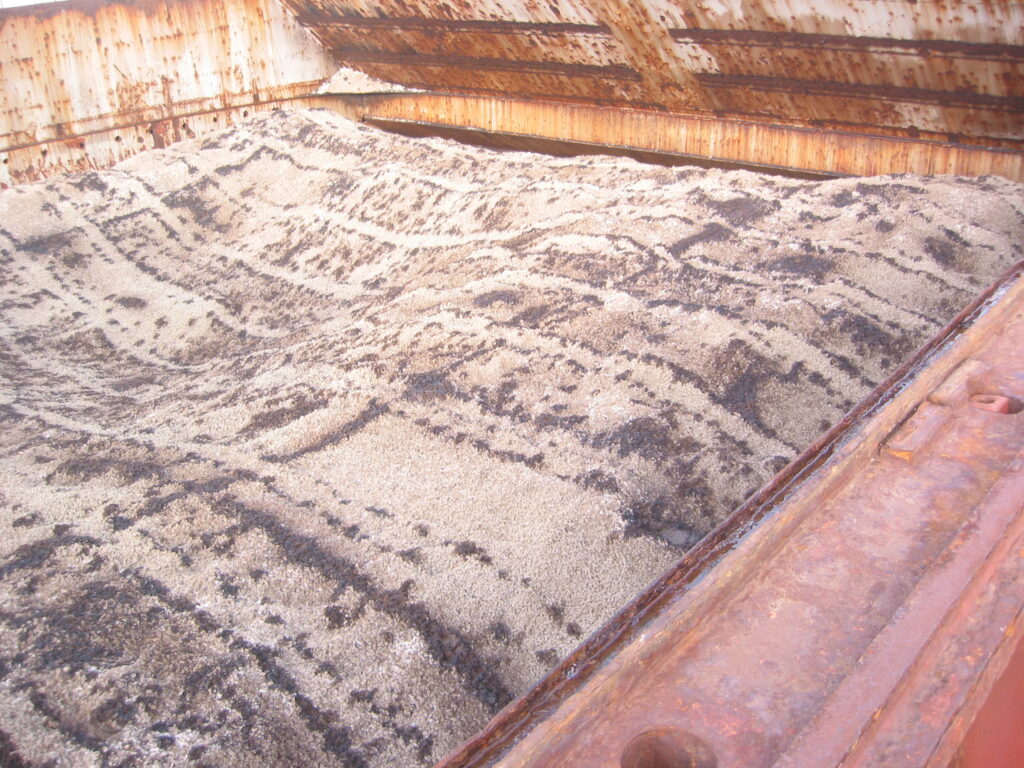
Sunflower seed pellets – sweat 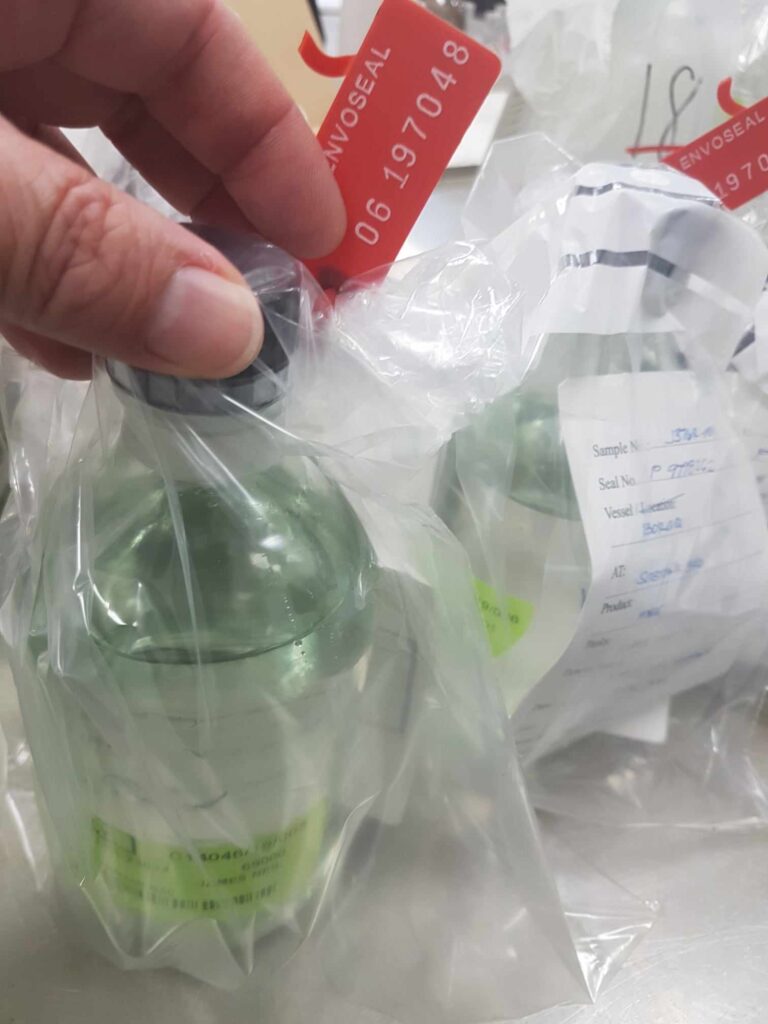
Witnessing laboratory analysis of monoethylene glycol – checking seal numbers 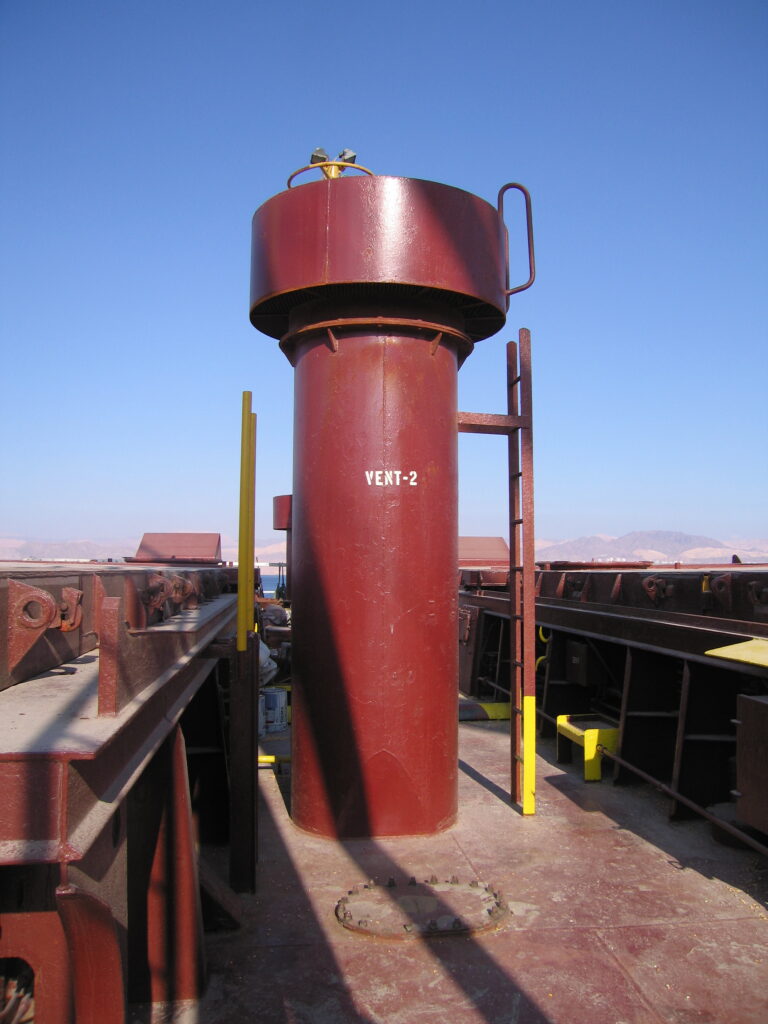
A mushroom-headed ventilator 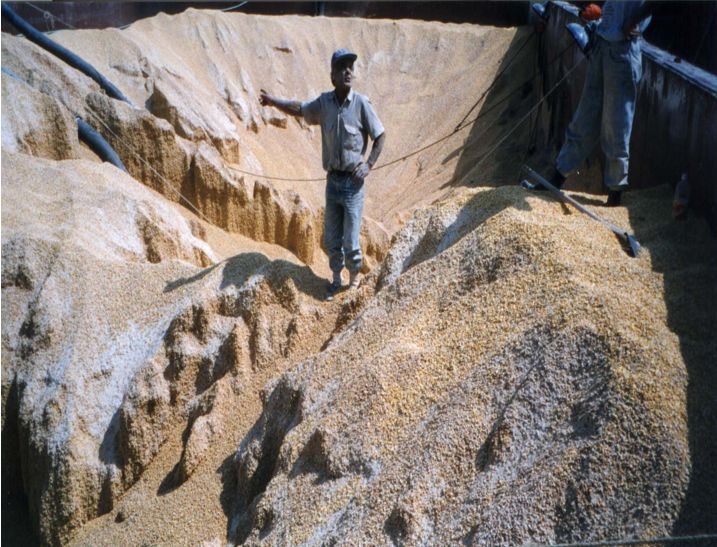
Caked maize 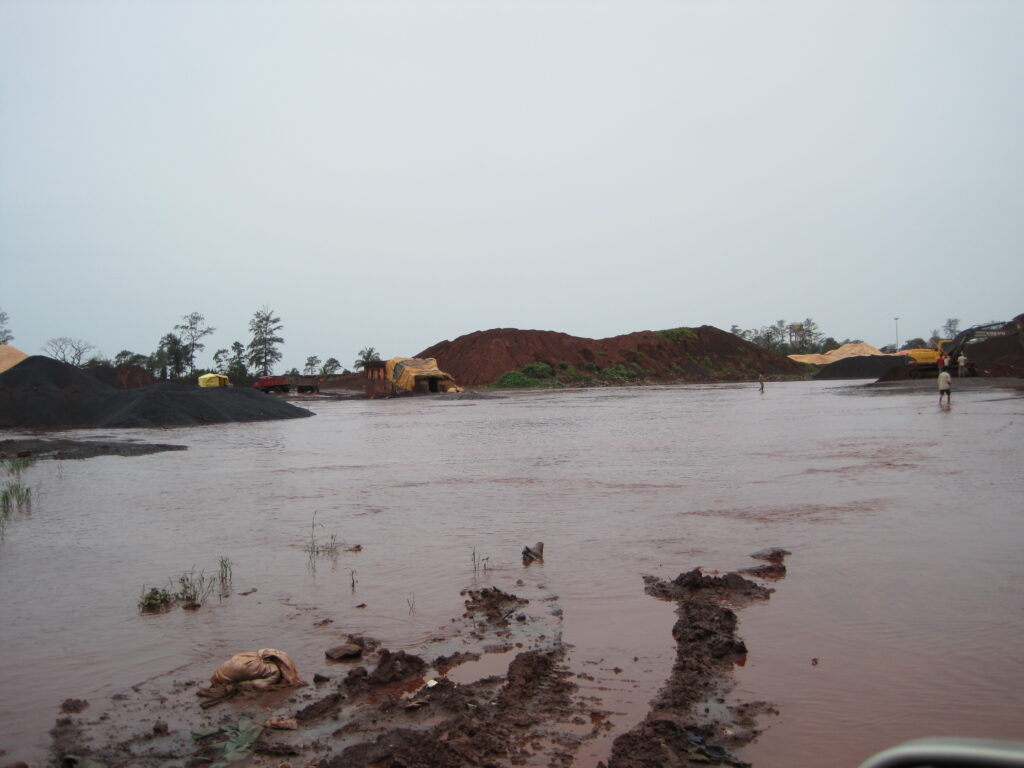
Iron ore fines loading in India 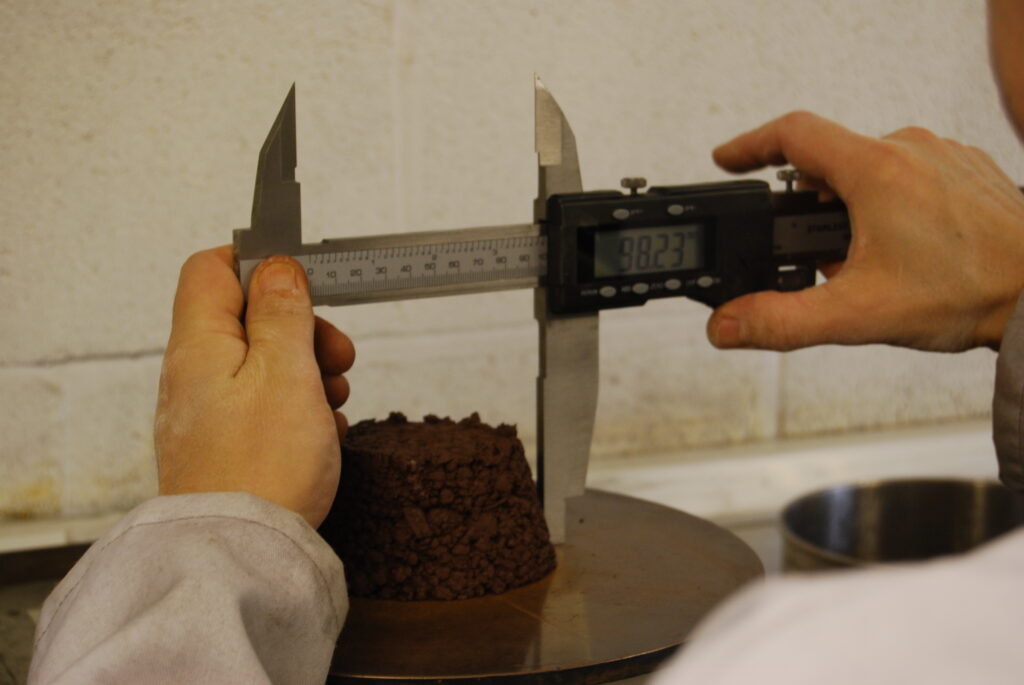
Flow table test 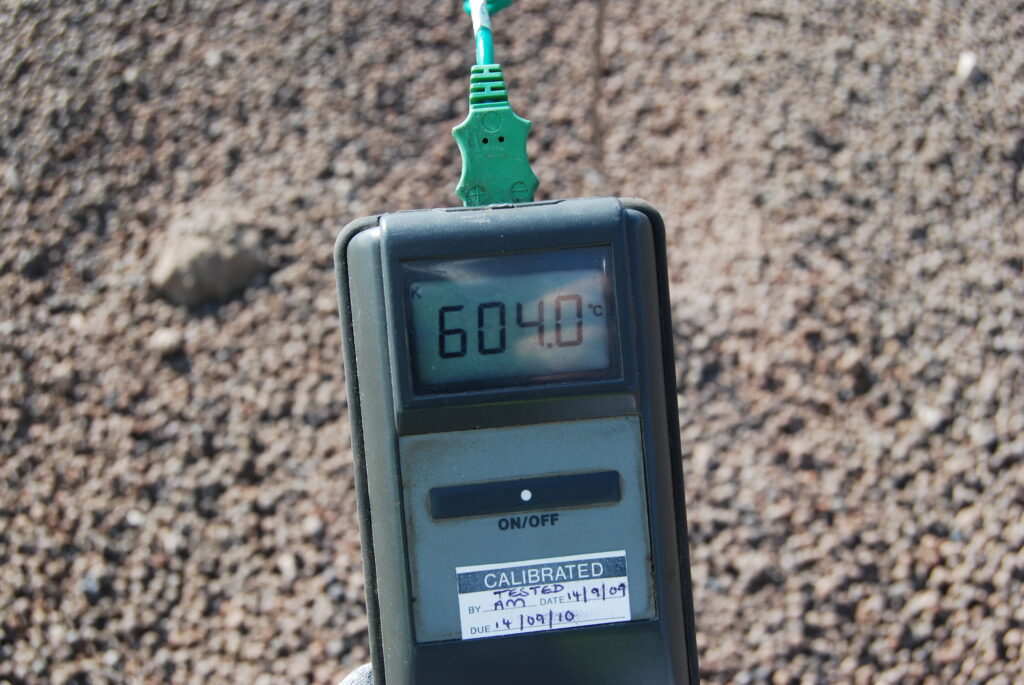
DRI at high temperature 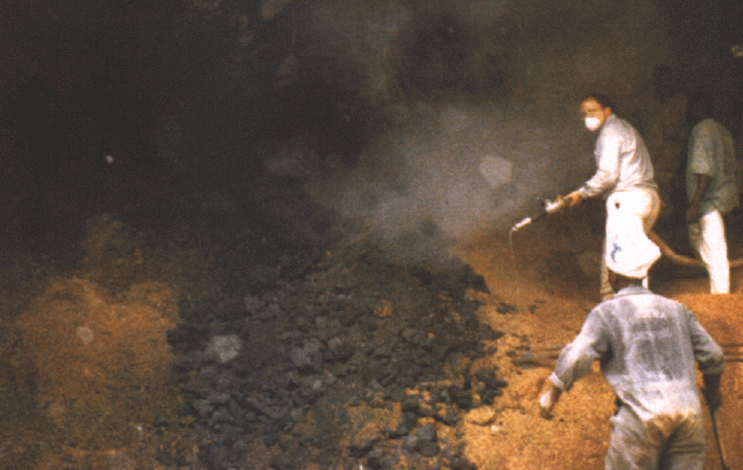
Fire in sorghum – a very young Sheard 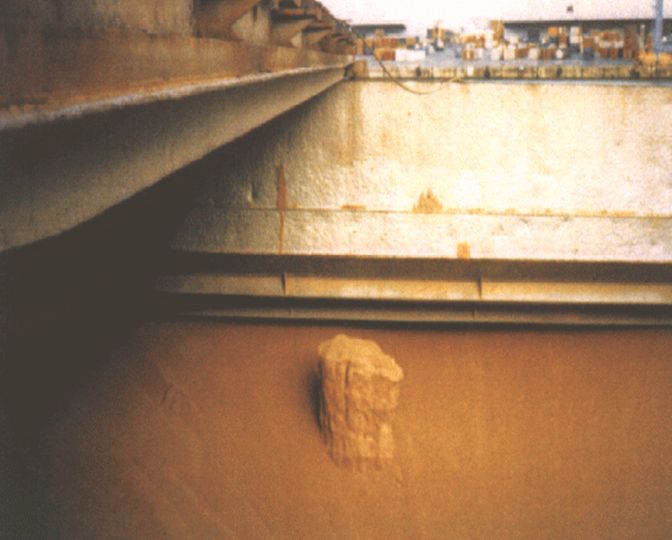
Water ingress in maize 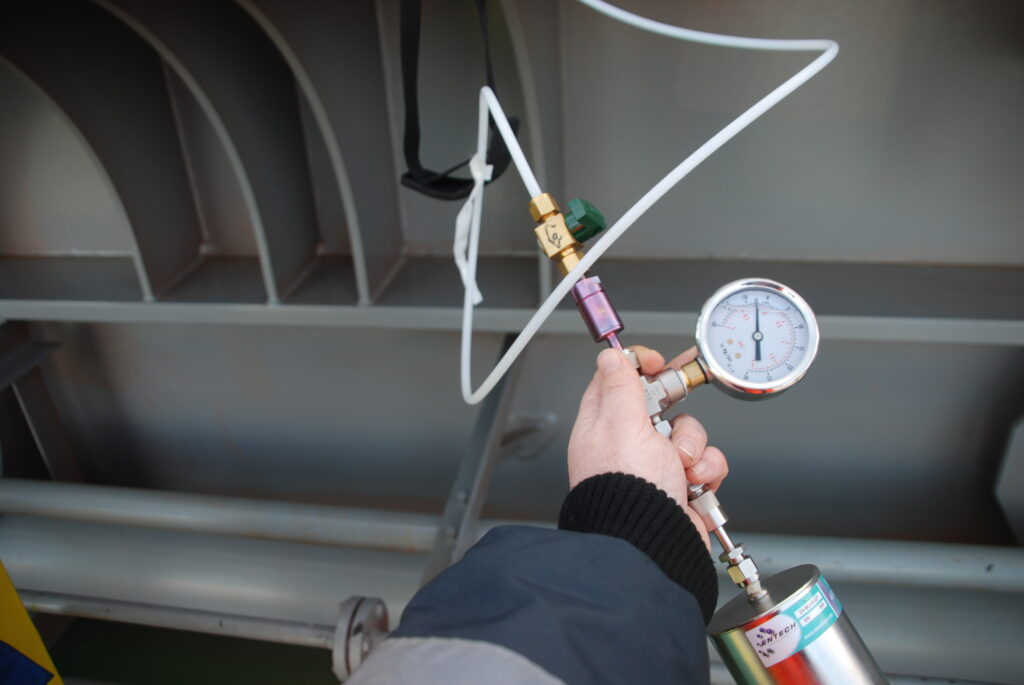
Using specialist gas sampling equipment 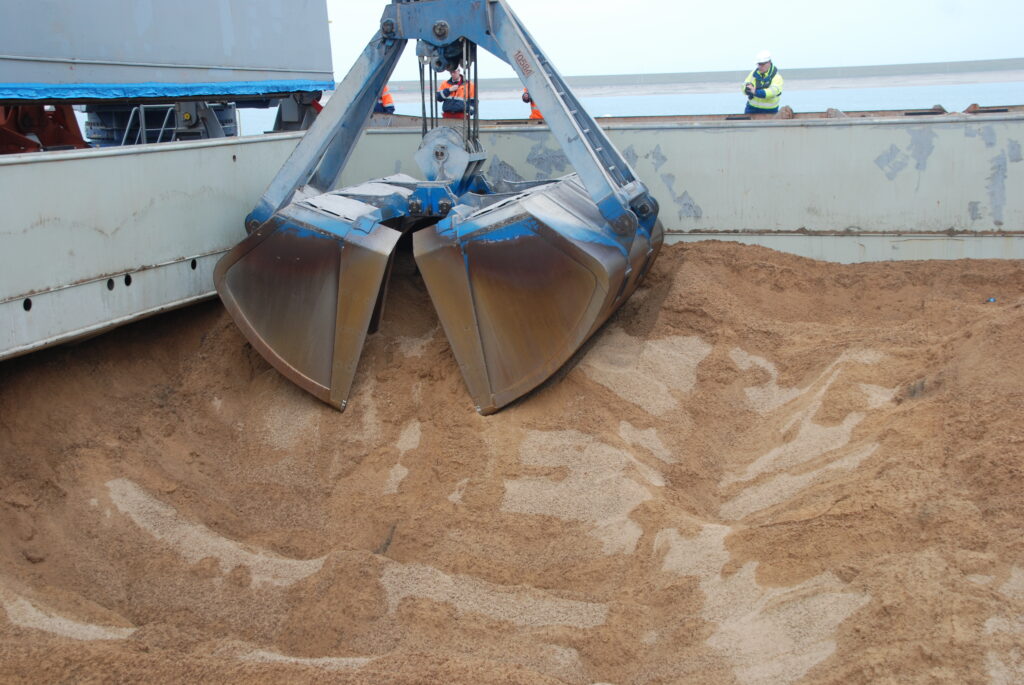
Discharging wood pellets 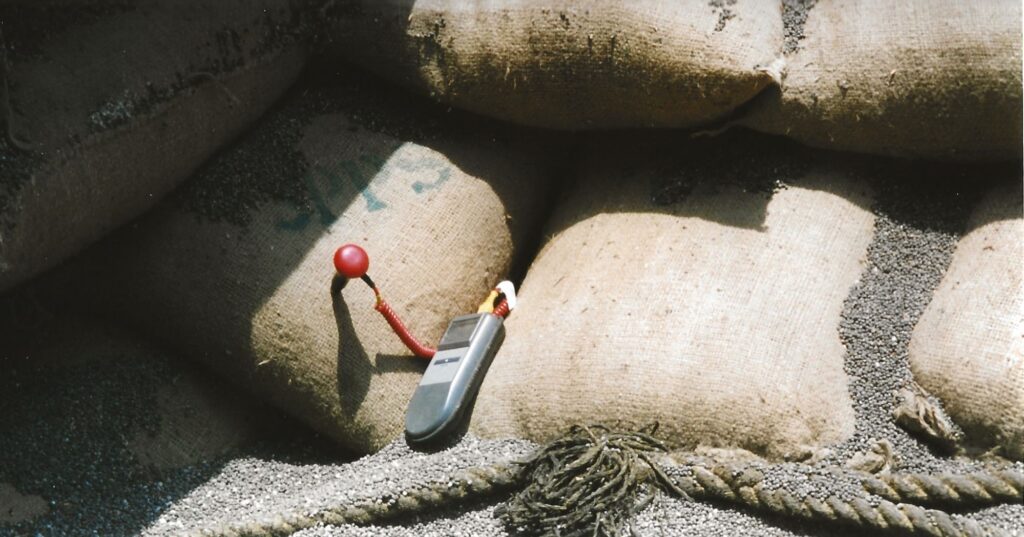
Using spear thermometer in bagged fertiliser 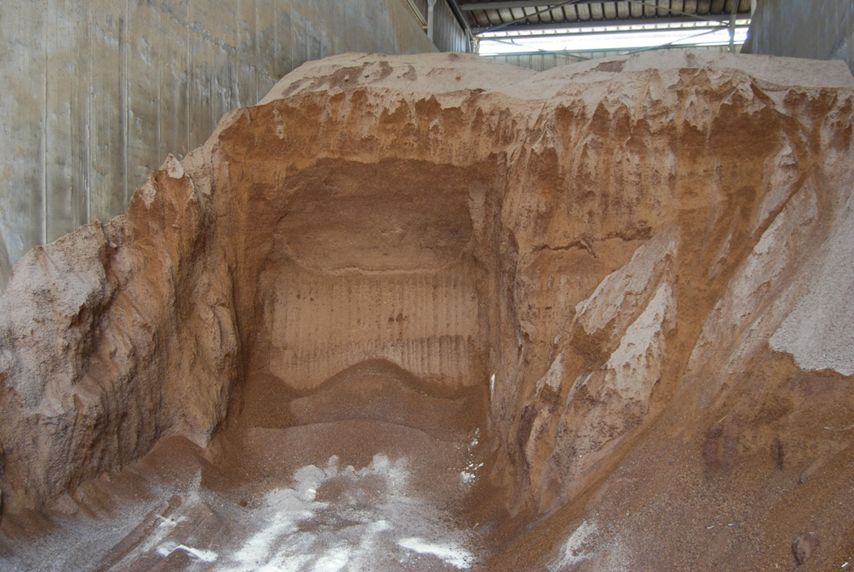
Animal feed – DDGS cargo 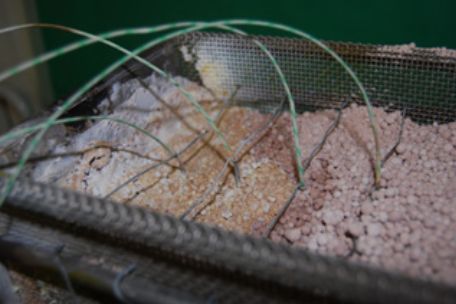
Trough test on a fertiliser 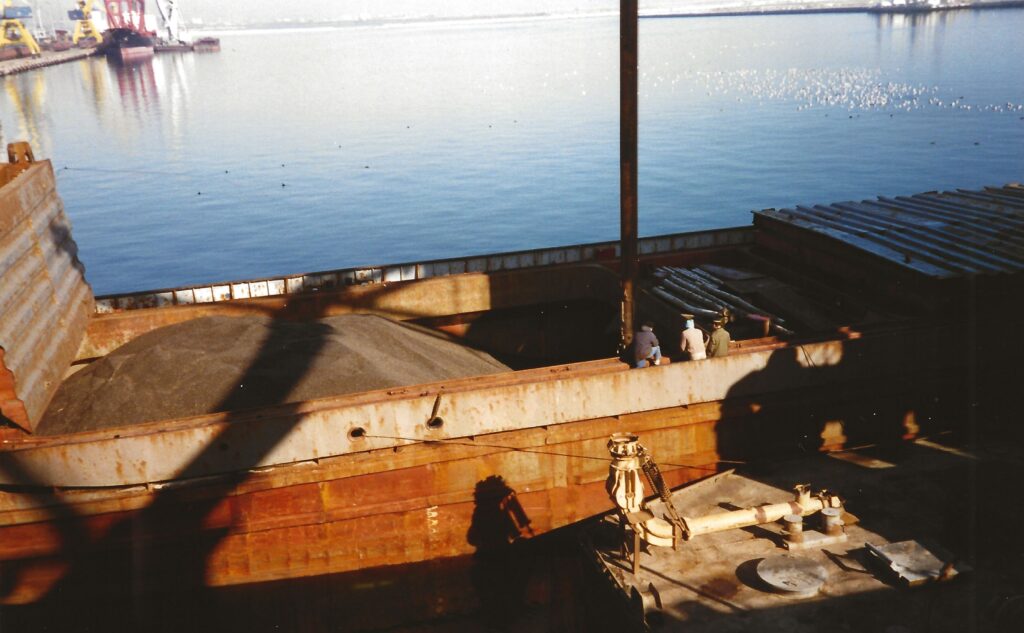
Sunflower seeds in the Black Sea area 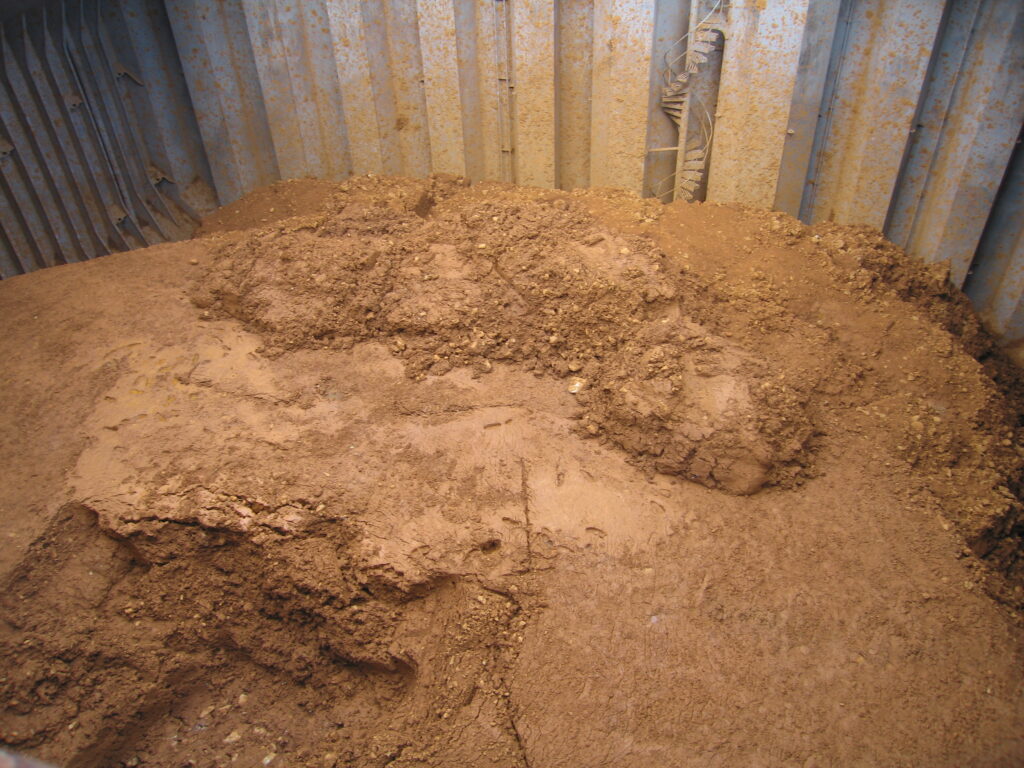
Nickel ore 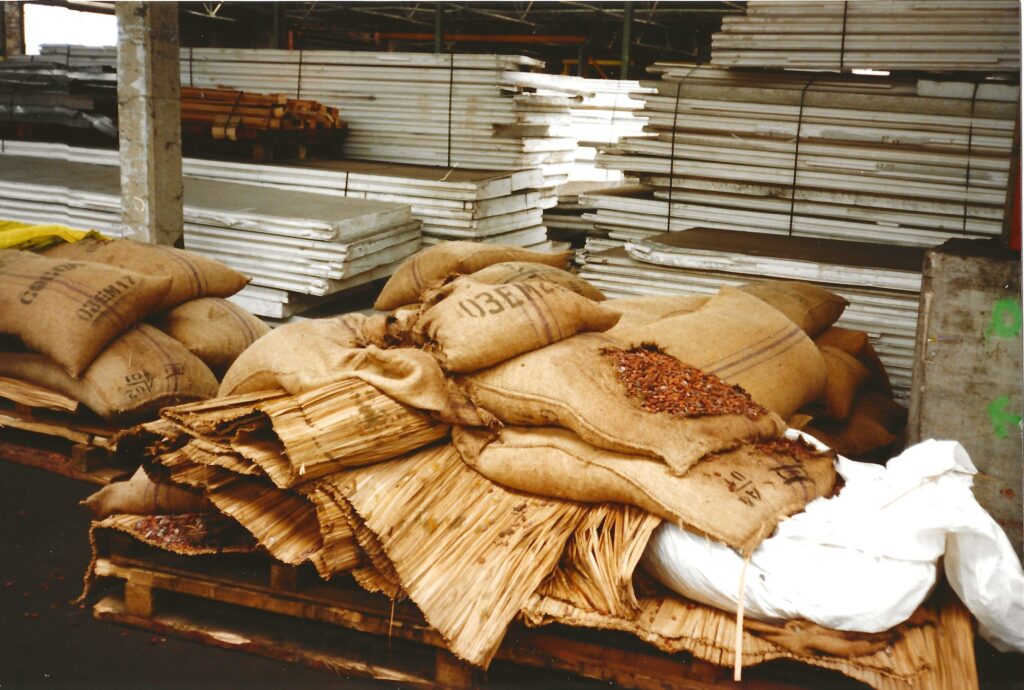
Bagged cocoa beans in a warehouse 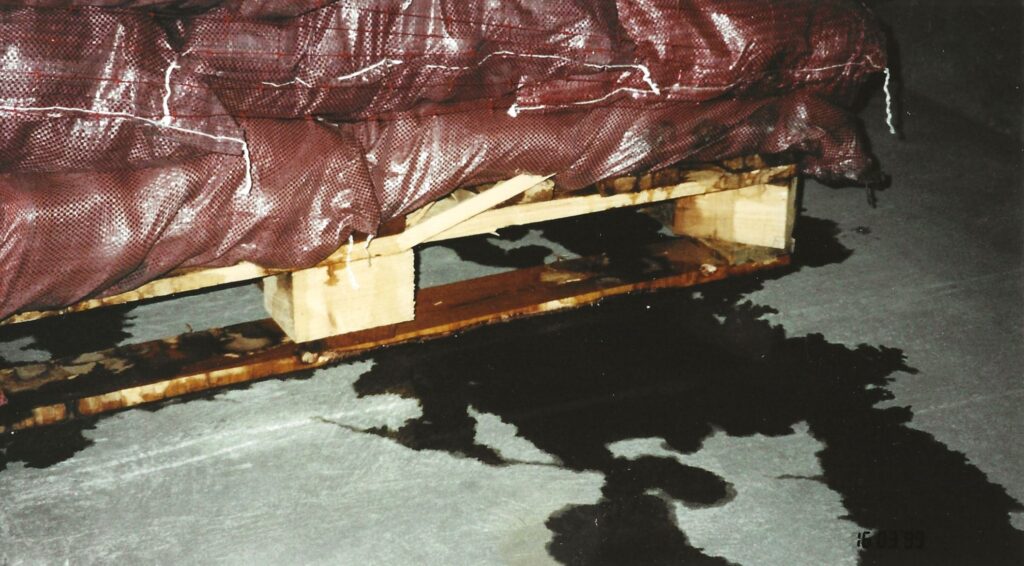
Bacterial soft rot in potatoes 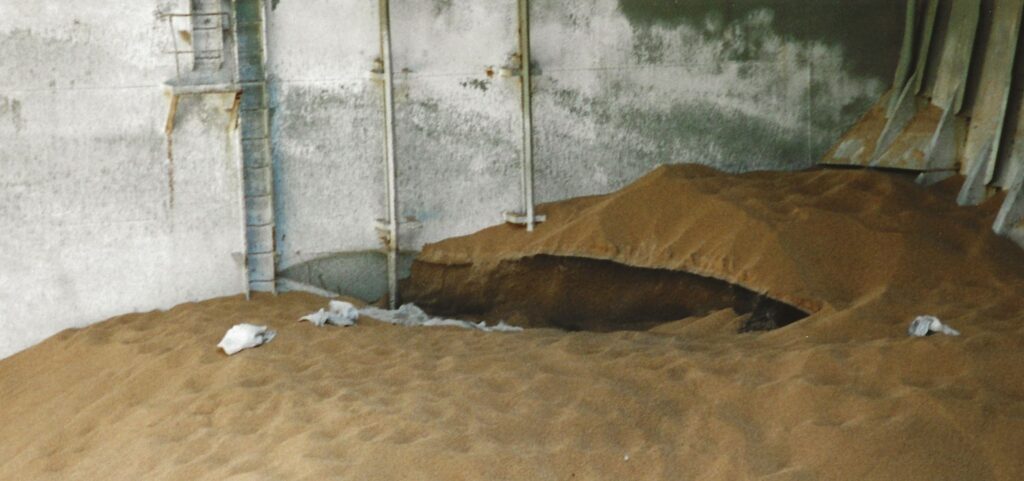
Wetted and caked wheat 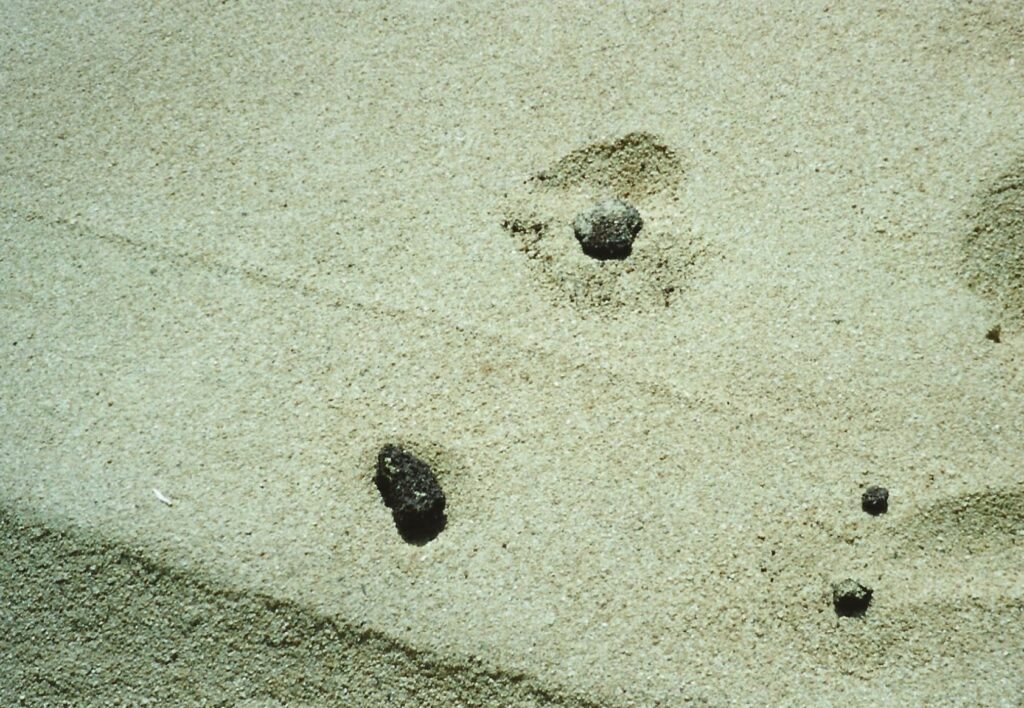
Caked lumps in soya bean meal 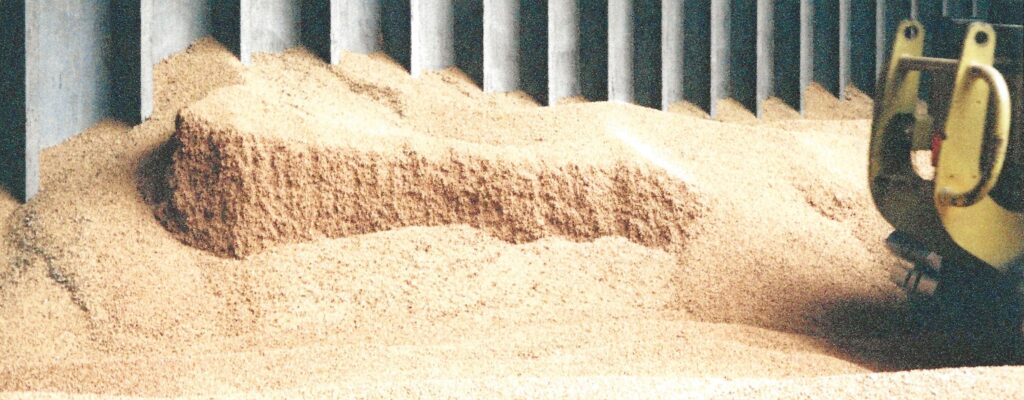
Caked and heated soya beans 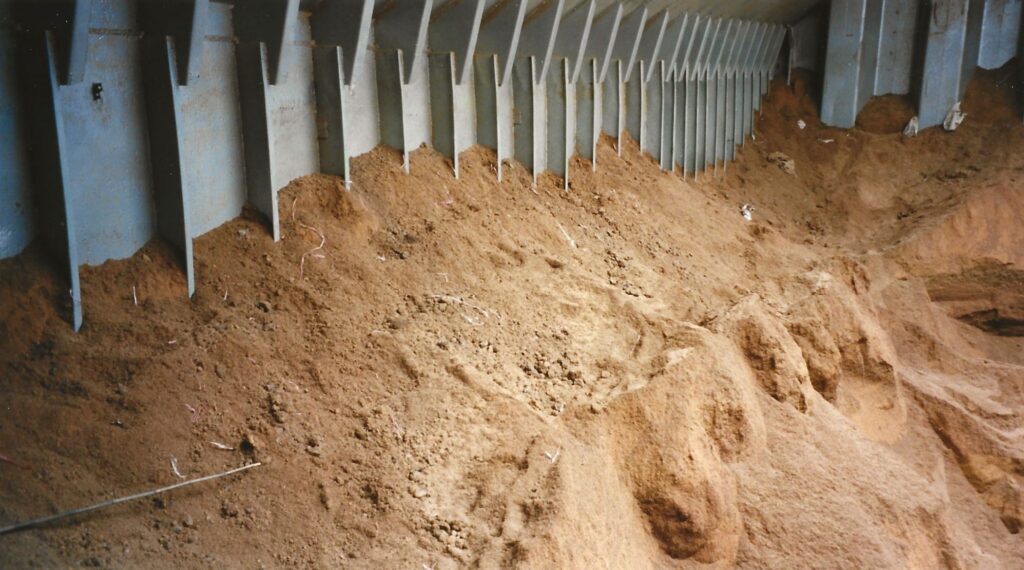
Cotton seed meal 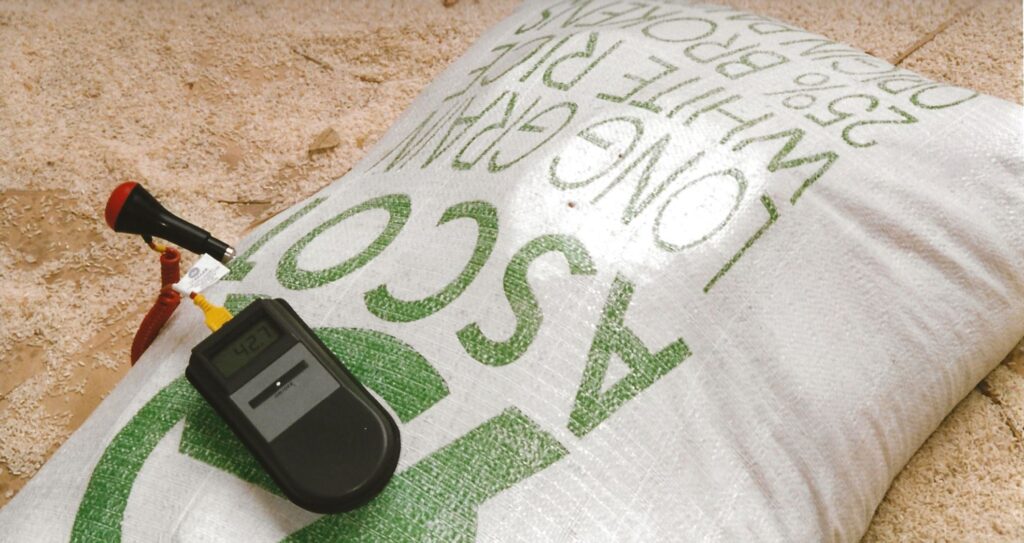
Spear temperature in heated bagged rice 
Damaged pineapples 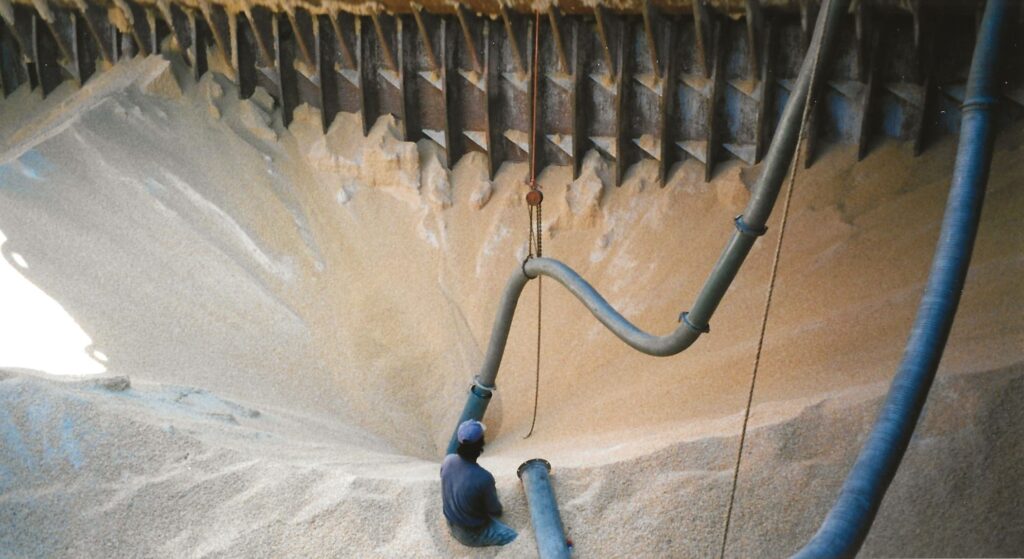
Discharging bulk maize 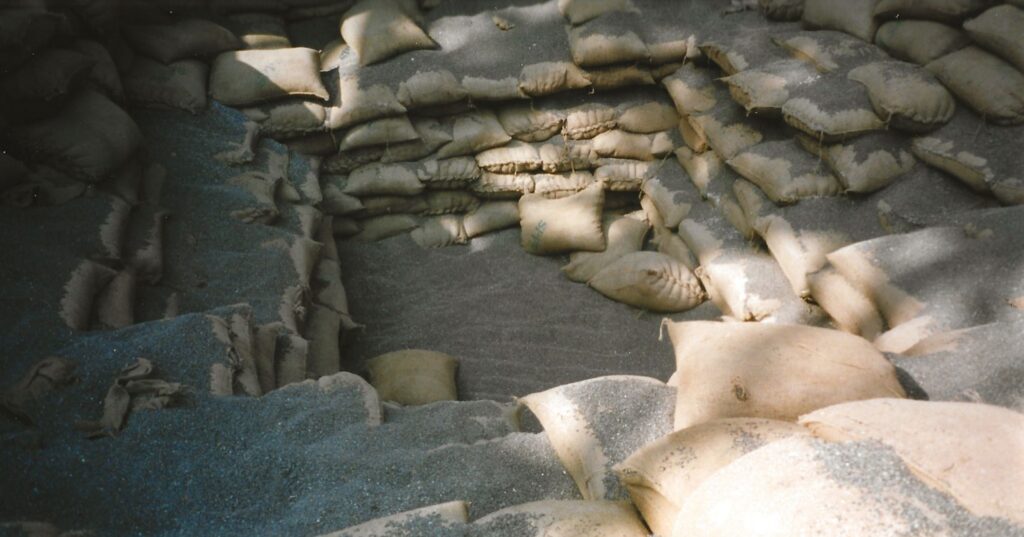
Fertiliser in jute bags 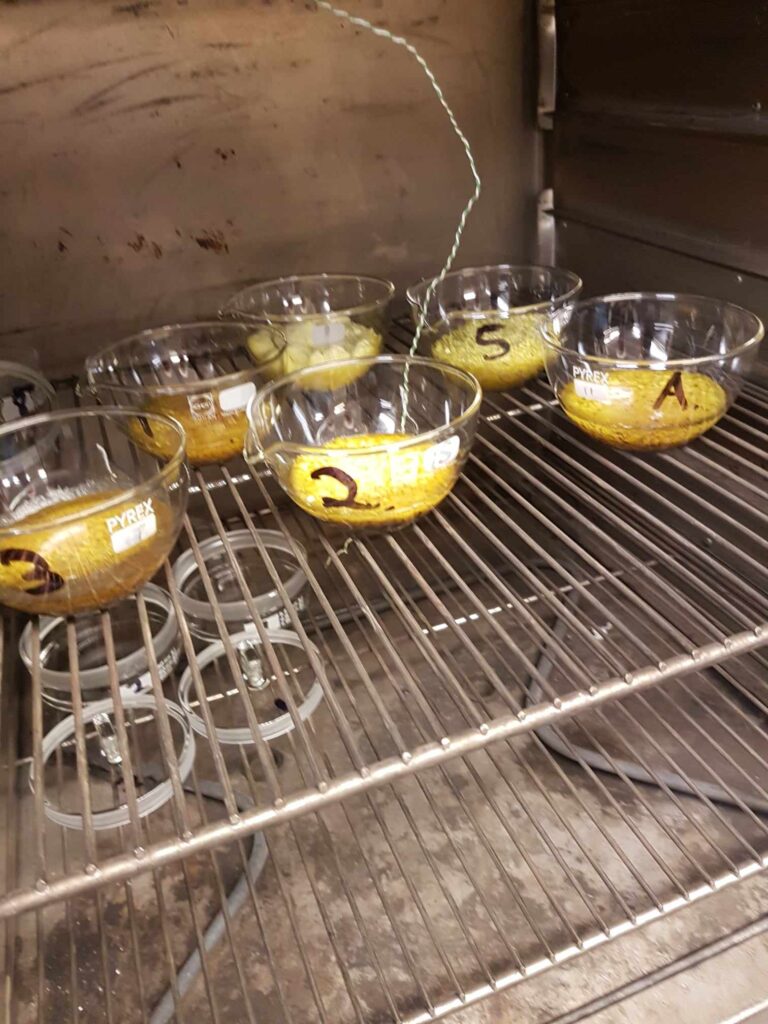
Investigative laboratory analysis of sulphur 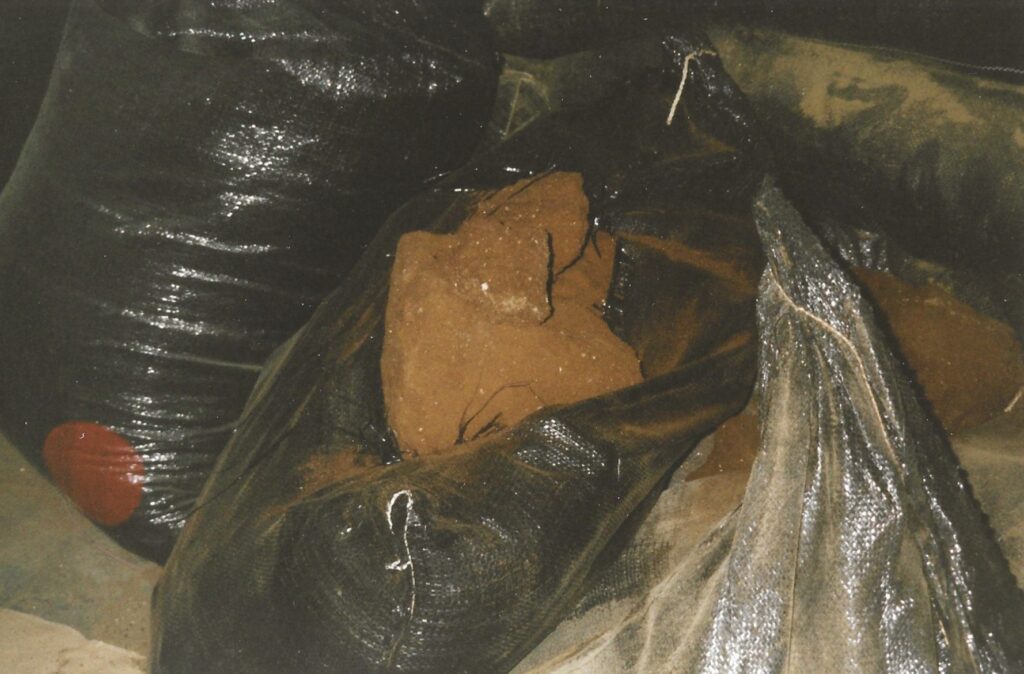
Fishmeal in bags 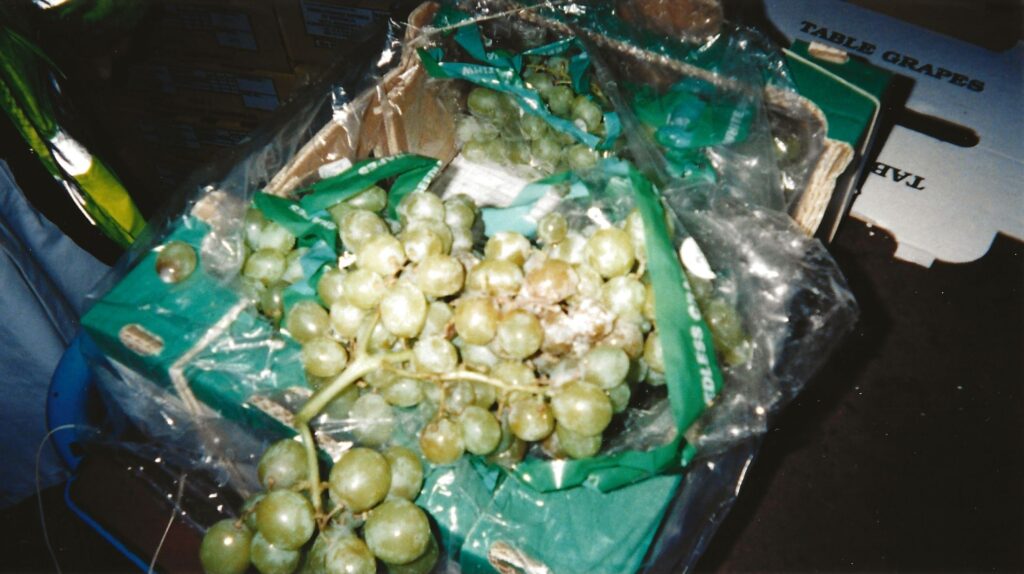
Grapes with rot 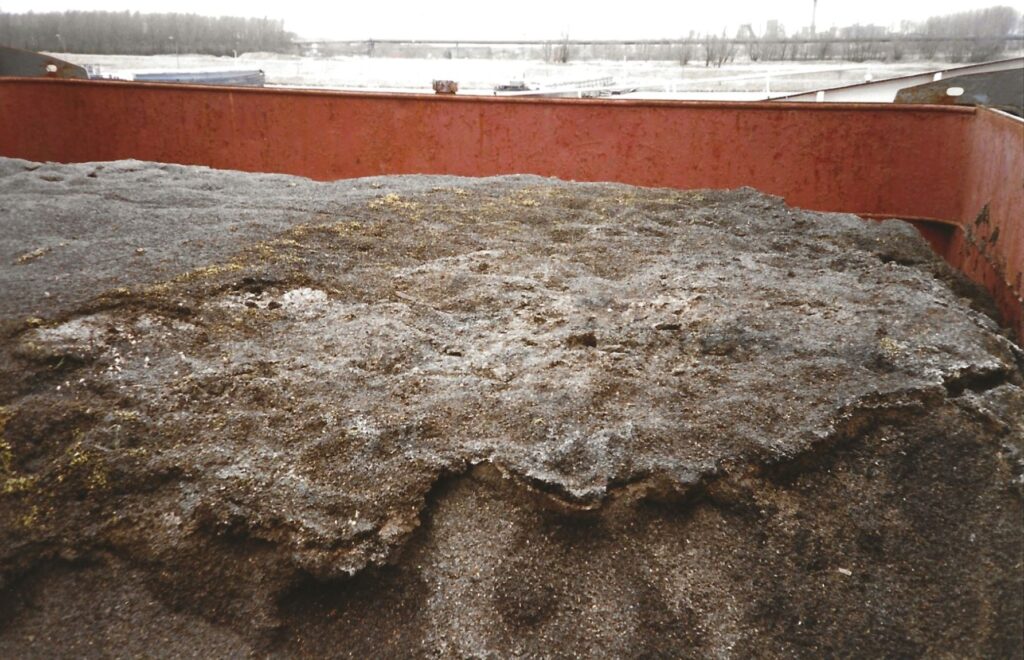
Heated and mouldy sunflower seeds 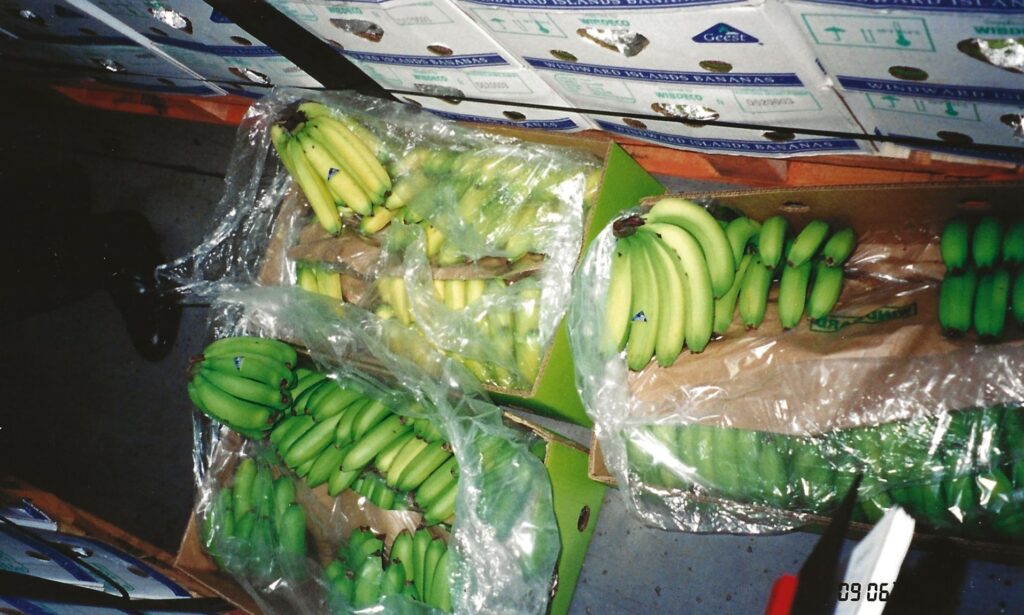
Inspecting bananas 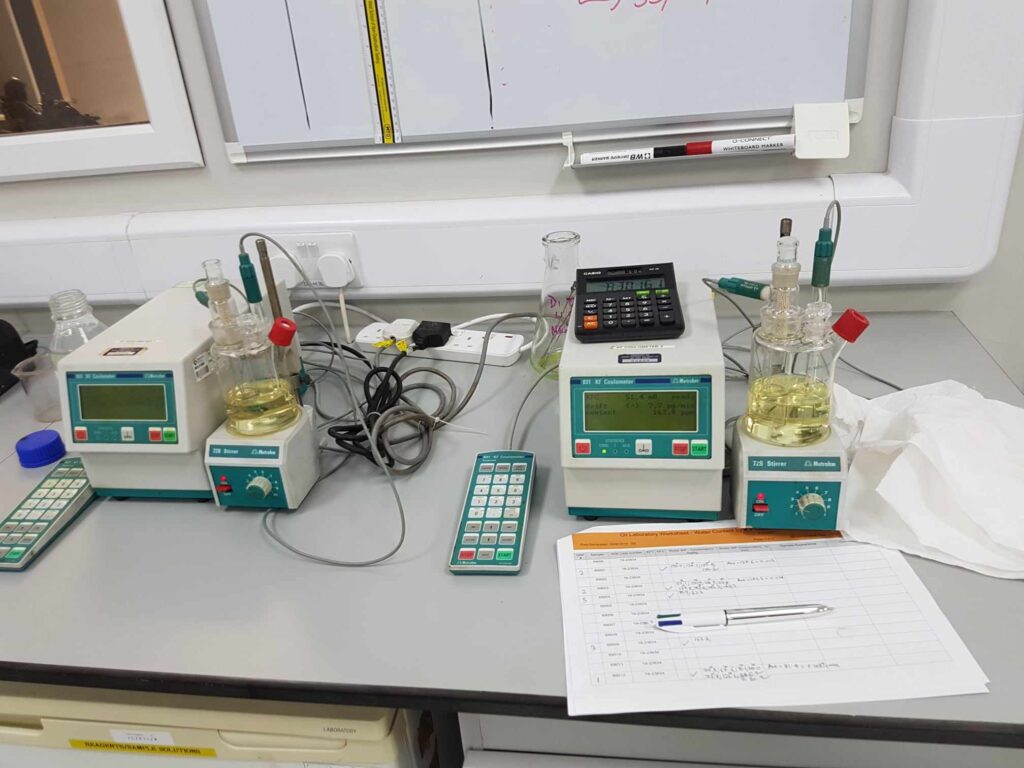
Witnessing moisture testing using Karl Fischer method 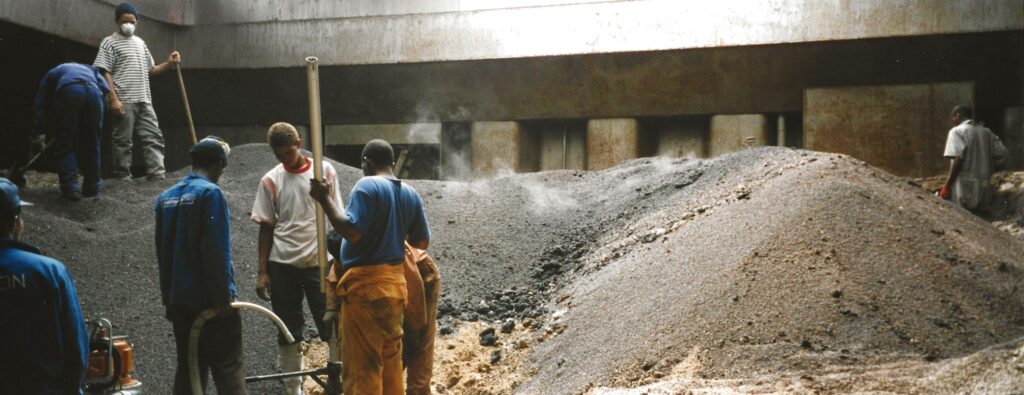
Pneumatic sampling of hot soya beans 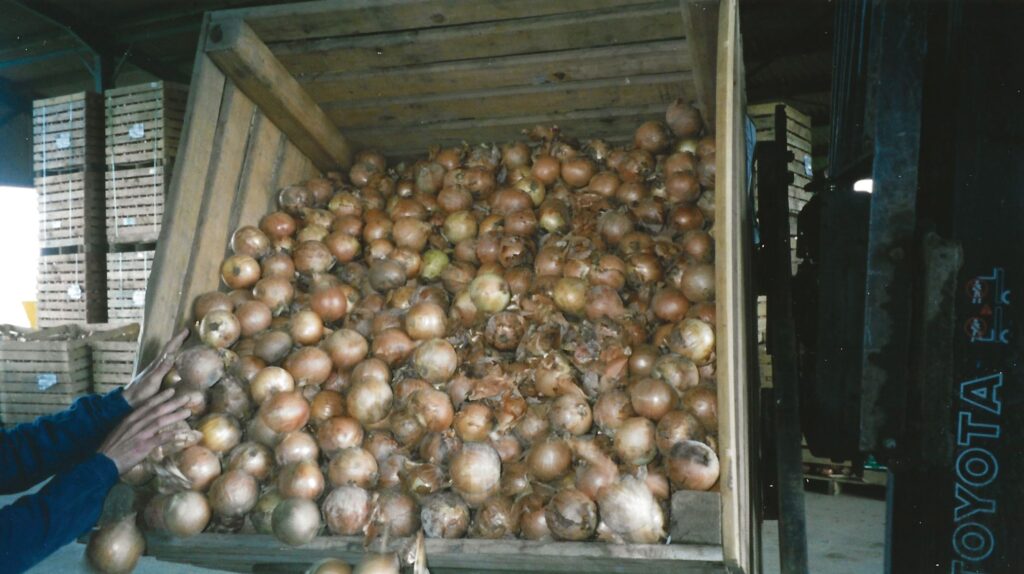
Onions with mould 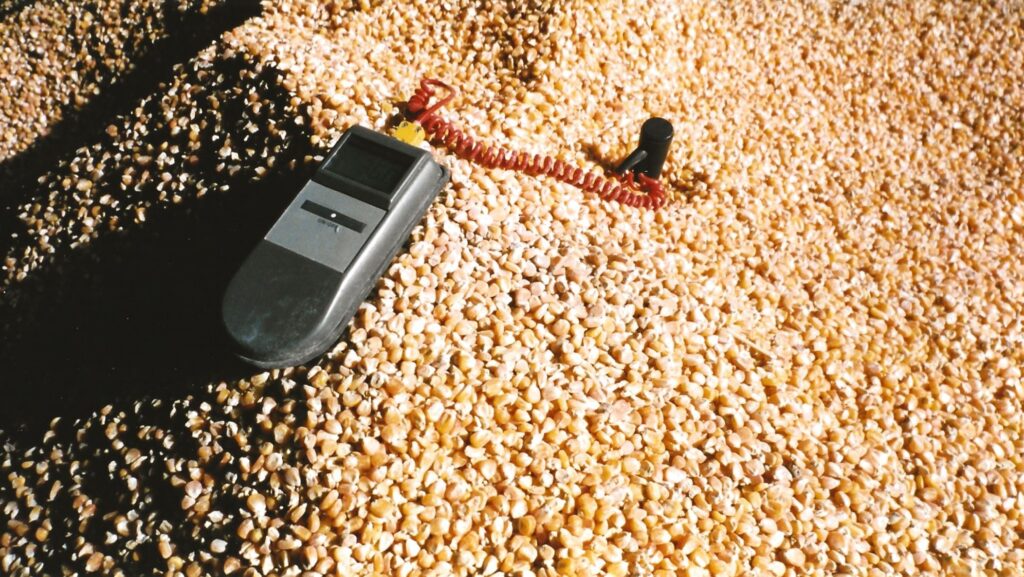
Spear probe in bulk maize 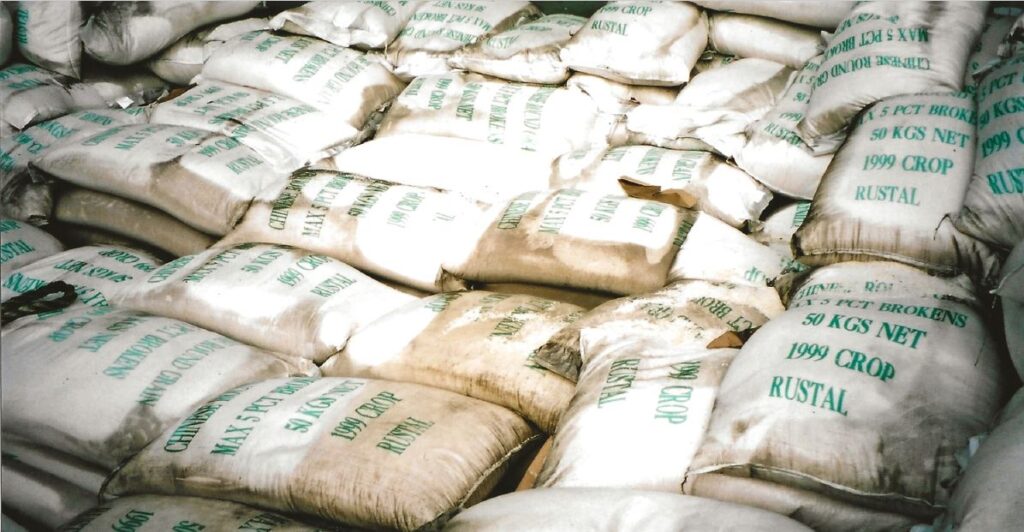
Smoke damaged bags of rice 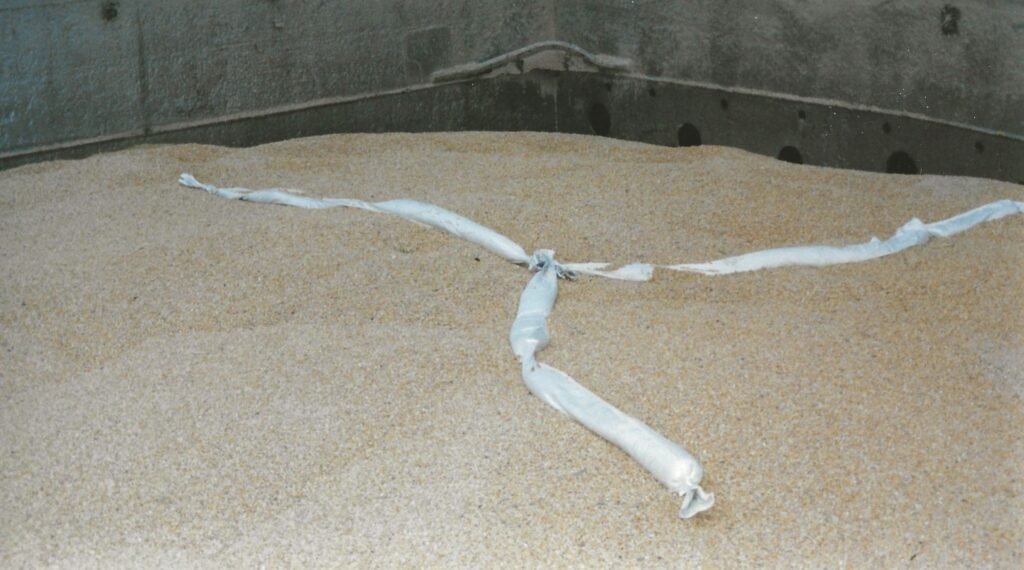
Socks containing fumigation materials in maize 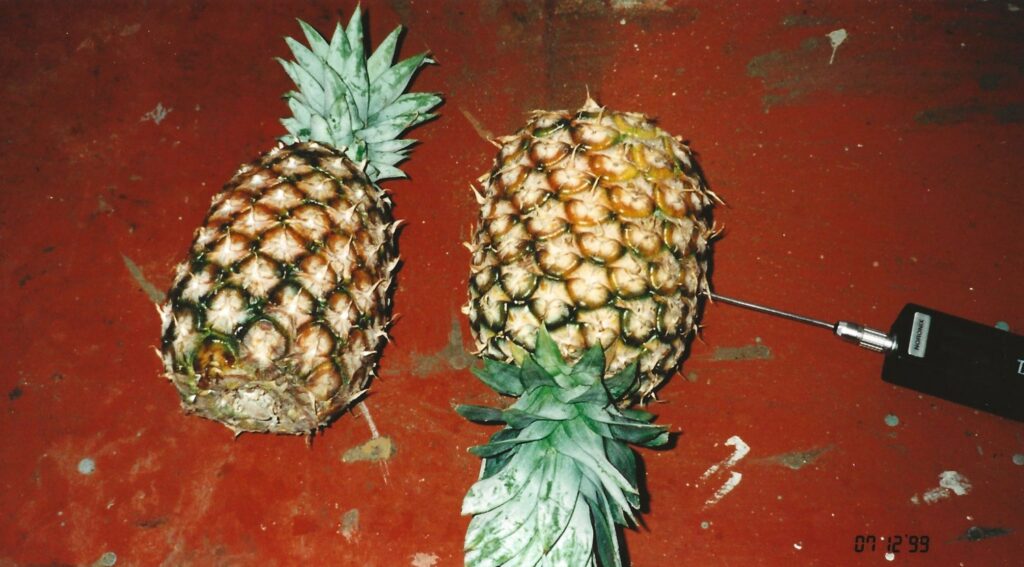
Taking pulp temperatures of pineapples 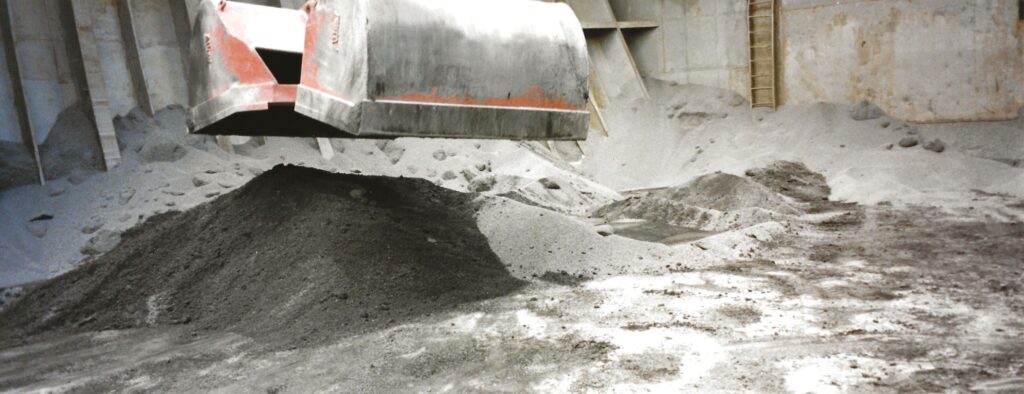
Wetted triple superphosphate fertiliser in bulk 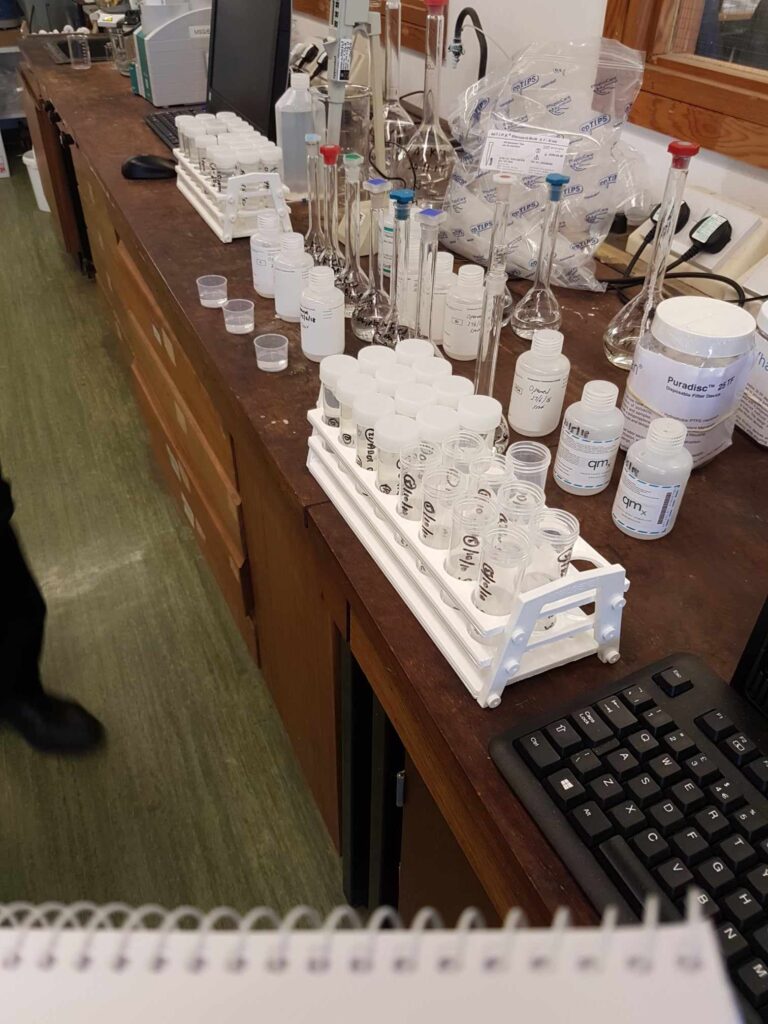
Witnessing laboratory analysis of phosphoric acid 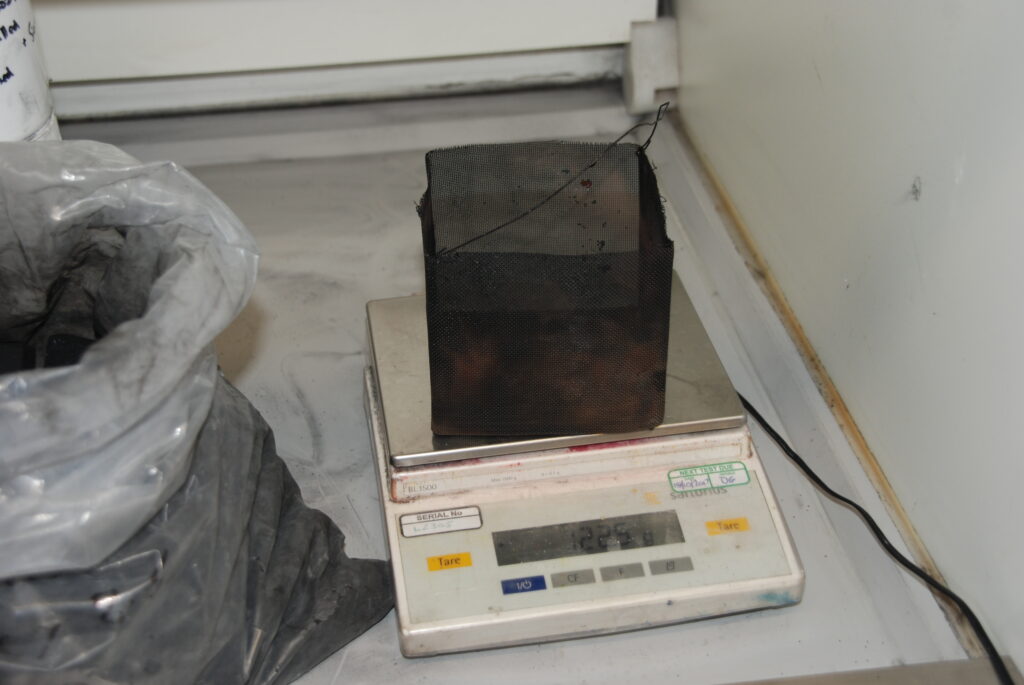
Witnessing UN N4 test on charcoal
To be a good cargo scientist you need a number of things.
Firstly, you need a strong grounding in the natural sciences. Mostly the knowedge and concepts required are “A” level or early years University level in complexity, but any one case may involve knowledge of physics, chemistry and biology, applied to the various aspects in a case. Thus, as an example, deterioration of soya beans may involve microbiological growth. That requires an understanding of the lifecycle and conditions for growth of yeasts and moulds. Once parts of the stow heat, there may be a temperature gradient or condensation, considerations about which require an understanding of physics. Published data on temperature and moisture for soya beans may need to be converted from one set of units or basis to another (some maths required!). Evaluating the loss to the oil in the beans requires an understanding of the chemistry of oil hydrolysis. And so on.
I’m fortunate that my undergraduate degree course involved studying (initially) three sciences rather than specialising in one subject from the first year. This gives me a broad grounding in the fundamentals of science. I have since starting this work studied for further qualifications, and am still doing so.
Secondly, you need a wide knowledge of the types of cargo carried at sea and an understanding of what the relevant issues or problems with each are likely to be. This knowledge and experience tends to increase with time spent in the industry.
Thirdly, you need to have an analytical mind and the ability to approach unknown problems with a flexible but systematic approach. Even though I have been in this business for most of my working life, and have over 25 years’ experience in cargoes, there are still some commodities or specific tests/parameters that I experience for the first time. Being a cargo scientist means that I know how to approach unknowns and establish a way of tackling the problem and gaining the necessary background knowledge from published data or other sources.
All of these aspects of the work have one thing in common – the use of a scientific approach to explain, diagnose or predict the behaviour of cargoes on ships or in storage. Occasionally advanced or complex science/mathematics is required, but in most instances that isn’t the case. That is one reason why most cargo scientists have Ph.D degrees. It isn’t because the topic studied for the doctorate is necessarily of value to the cargo science job – it rarely is. Studying for a Ph.D involves learning how to carry out research into unfamiliar topics, and how to access and reference scientific literature – essential skills for working as a cargo scientist.
So what do I actually do? Over the years I have worked in this industry, I have dealt with many types of cargo problem in the field as set out above. I’ve climbed ladders, shovelled mouldy grain, taken a very large number of photographs of cargoes, measured temperature on hundreds if not thousands of occasions (why temperature? – that will be the subject of a later post), watched grain flow or not flow during discharge, seen fertiliser on ships and under test in laboratories, sampled cargoes on many occasions, dealt with fires first-hand, seen liquefied bulk cargoes, tested bulk cargoes for transportable moisture limit, witnessed analysis of many different kinds, and have had numerous heated discussions with cargo receivers and surveyors!
The other part of the role of a cargo scientist is reviewing documentary evidence about a case, considering the technical aspects of it, writing expert reports, reviewing opponent expert reports and providing commentary on them, holding expert meetings, and ultimately, providing an expert witness service in Court or Arbitration proceedings (on paper or live in hearings). I have worked on a very large quantity of all aspects of these kinds of cases.
Times have changed since I first starting work in this field. We had one mobile phone for the company, and that didn’t work in most overseas countries. Many times I flew somewhere to discover on arrival that the problem wasn’t quite what the client thought it was. Now, in contrast, there are many excellent surveyors in ports worldwide (hello to any of them reading this!); they all have mobile phones with good cameras. Rather than having to wait weeks or months for a report, clients receive regular updates with photographs or even video footage. From the UK I am able to direct matters remotely, holding video calls when I need to see things myself. The sequence of lockdowns and travel restrictions during the height of the COVID pandemic showed the world that it was possible to investigate and resolve many matters without being able to fly experts around the world. For many cases now, the huge costs of someone travelling out to a vessel are simply not required.
I knew when setting up Sheard Scientific as a new entity that there was plenty of room in the market for a new organisation offering cargo scientist expertise. That has been the case for as long as I have worked in this field – many years ago the field was dominated by Dr RF Milton & Partners, later Jarrett Kirman & Willems, but there were a substantial number of individuals specialising in one type of cargo or another to service the clients’ requirements for independent organisations to instruct. There are fewer such independent indviduals operating today – the expertise has become concentrated in a very small number of firms worldwide, some of which are owned by larger entities.
There is, in my view, no substitute for genuinely independent scientifically-based expertise coupled with vast experience in the field and in providing expert evidence. That is what we offer.
Season’s Greetings
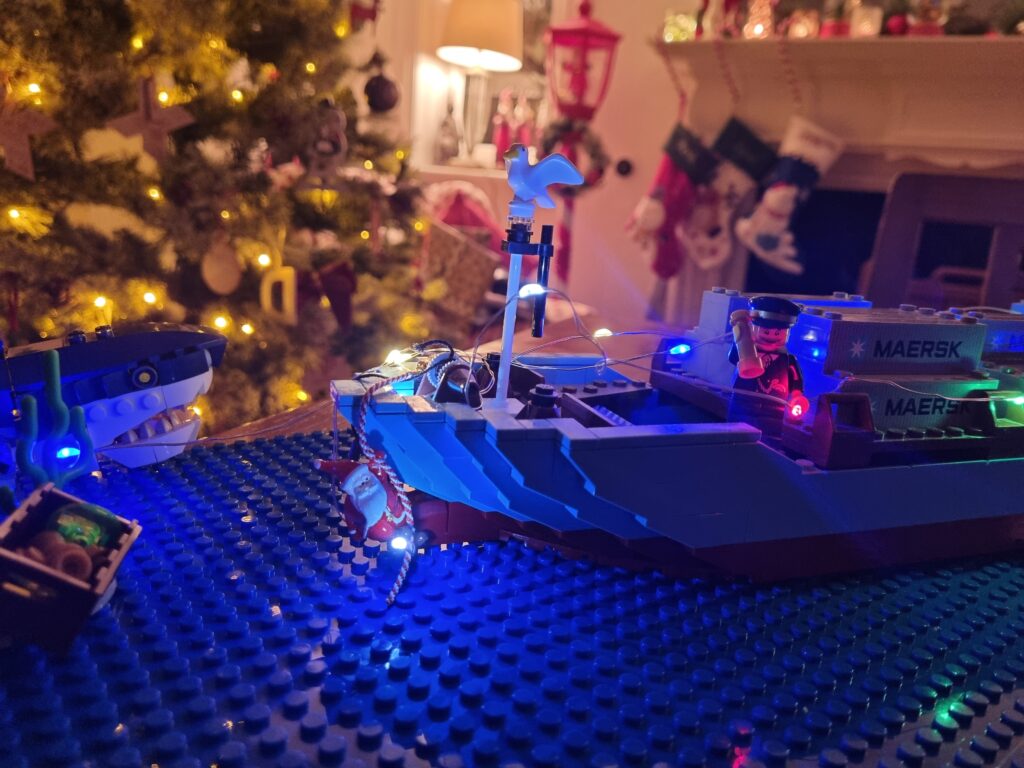
Season’s Greetings from Sheard Scientific to all our friends and clients. Wishing a very Merry Christmas and Happy New Year to all.
A lasting feat of engineering
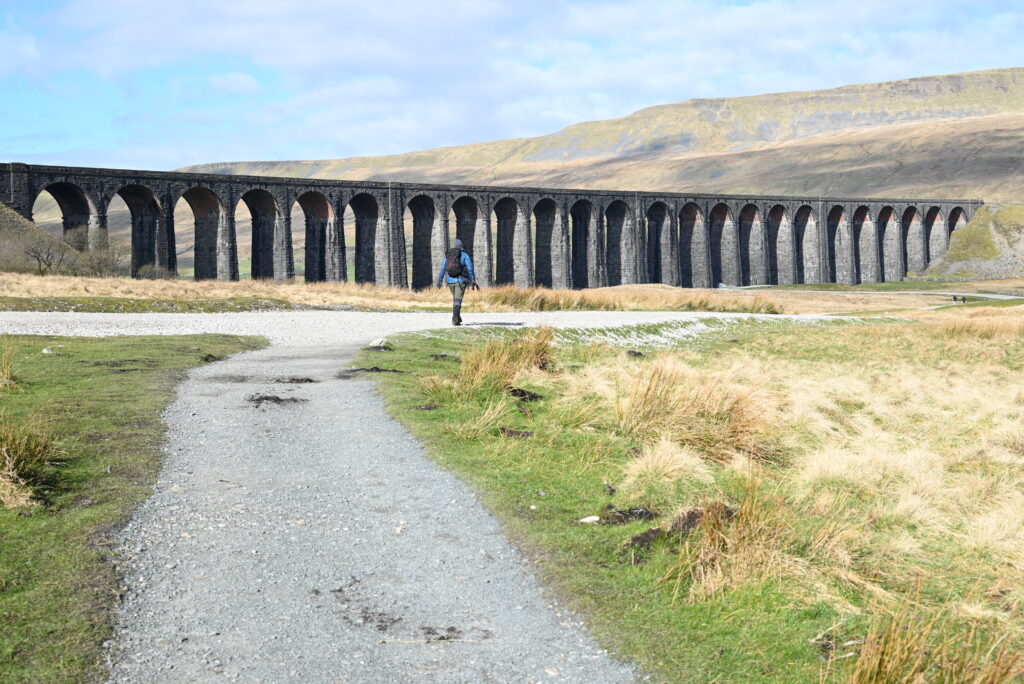
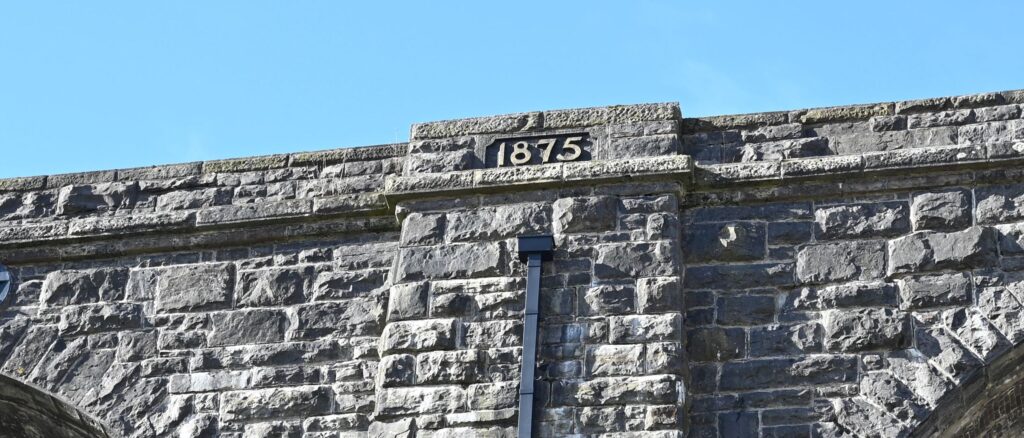
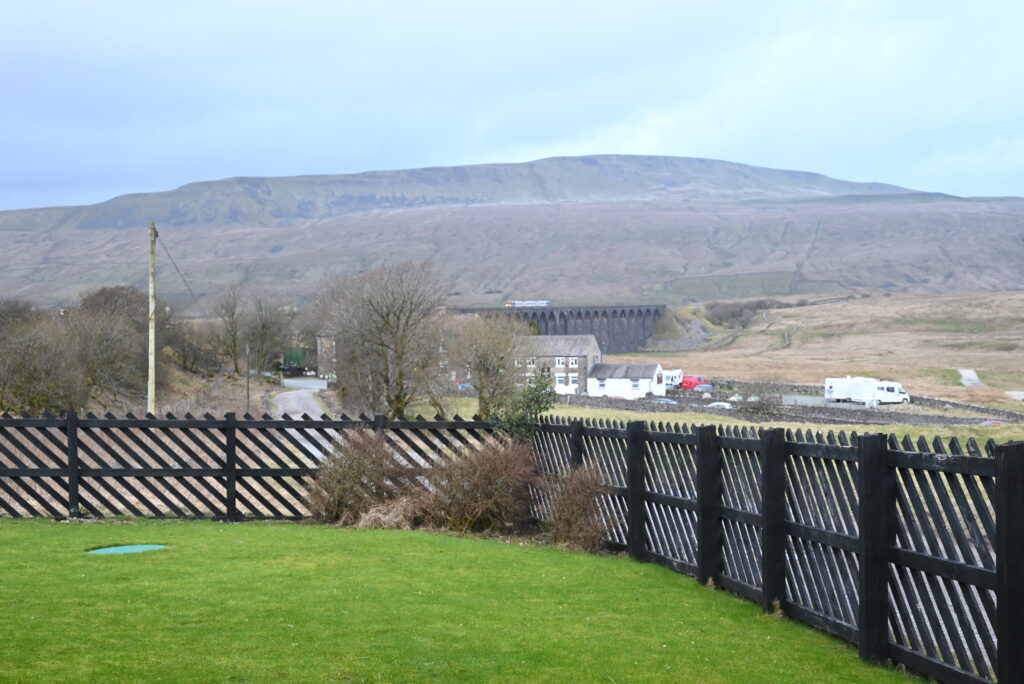
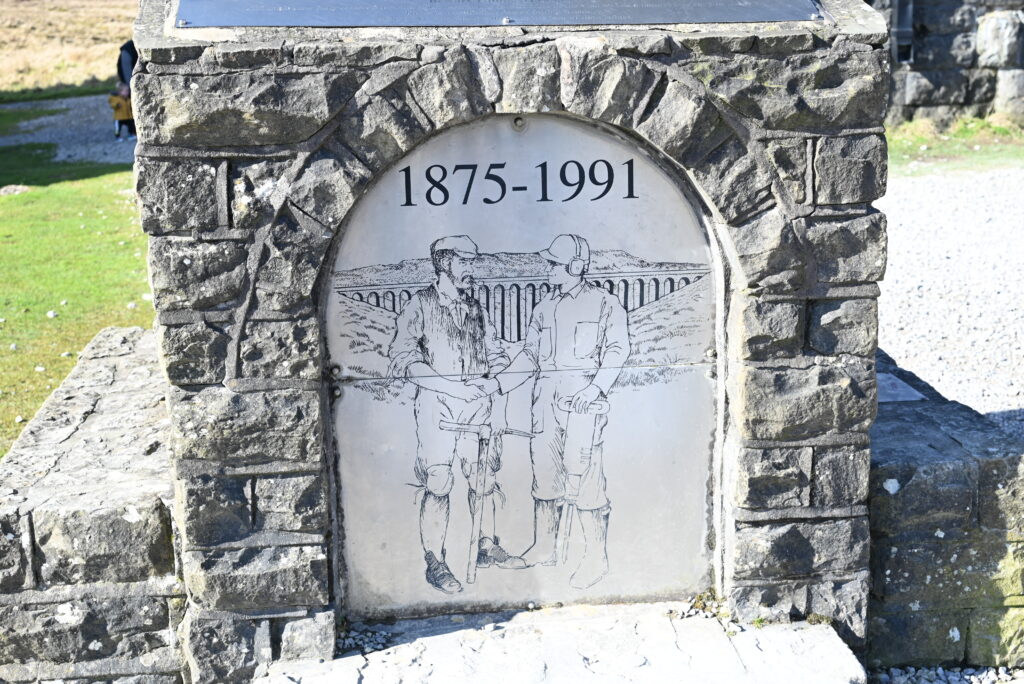
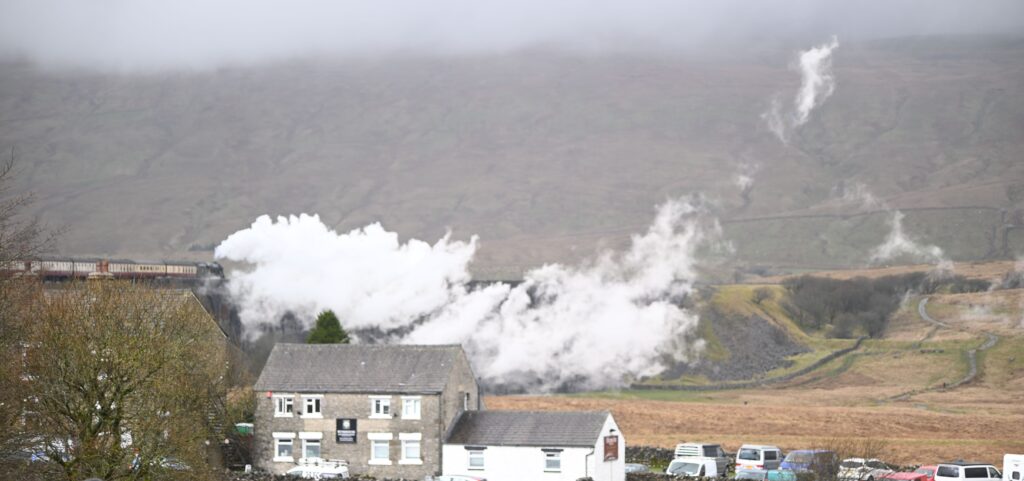
For as long as I can remember, the Settle-Carlisle railway line and the stations it served have been threatened by closure. This includes, famously, the amazing Ribblehead Viaduct. Begun in 1869, it was a necessary part of the Midland Railway’s project to have their own route to Scotland. A fabulous sight, whether from Ribblehead Station, from underneath the viaduct, whether it is being traversed by modern rolling stock or British Railways 46100 Royal Scot with a rake of historic Pullman coaches.
Independence Day – a celebration!

Wow. Difficult to believe it but it is now exactly one year since I left my former employer and Sheard Scientific came into being. I didn’t start work on cases straight away, nor did I establish this website, but this is the day.
I could go on at length about working independently – the benefits to my family, health and general wellbeing are immense – but they are obvious. I am able to work from home so have no fixed days and no commute, enabling me to use that time productively and am usually available whenever I am needed by clients.
By coincidence, today is also the wedding anniversary of myself and Mrs Sheard. When I was originally recruited by John Kirman many years ago, he told me that business partnership was as close as being married to someone. I understand what he meant, but respectfully disagree. Marriage involves pledging to support and be supported by someone for the rest of your natural lives.
At no point has that been clearer to me than in 2021 when Mrs Sheard got me to hospital sufficiently quickly to save my life; she then went on to deal with everything and everyone until I recovered. At that point, she made it clear it didn’t matter if I never worked again but, if I chose to, I could do anything I wanted.
The result is Sheard Scientific. Happy anniversary!